
☰
ORVELLAN GROUP
OPINIONS
Trade & strategy
CLEAR STRATEGY.
SOUND DECISIONS.
PRACTICAL SOLUTIONS.
28 SEPTEMBER 2026 / Trade & strategy
The Next Trade Advantage Is the Ability to Change Course
September’s trade data offer grounds for confidence. Boards should use that breathing space to secure credible alternatives before the next disruption makes them expensive.
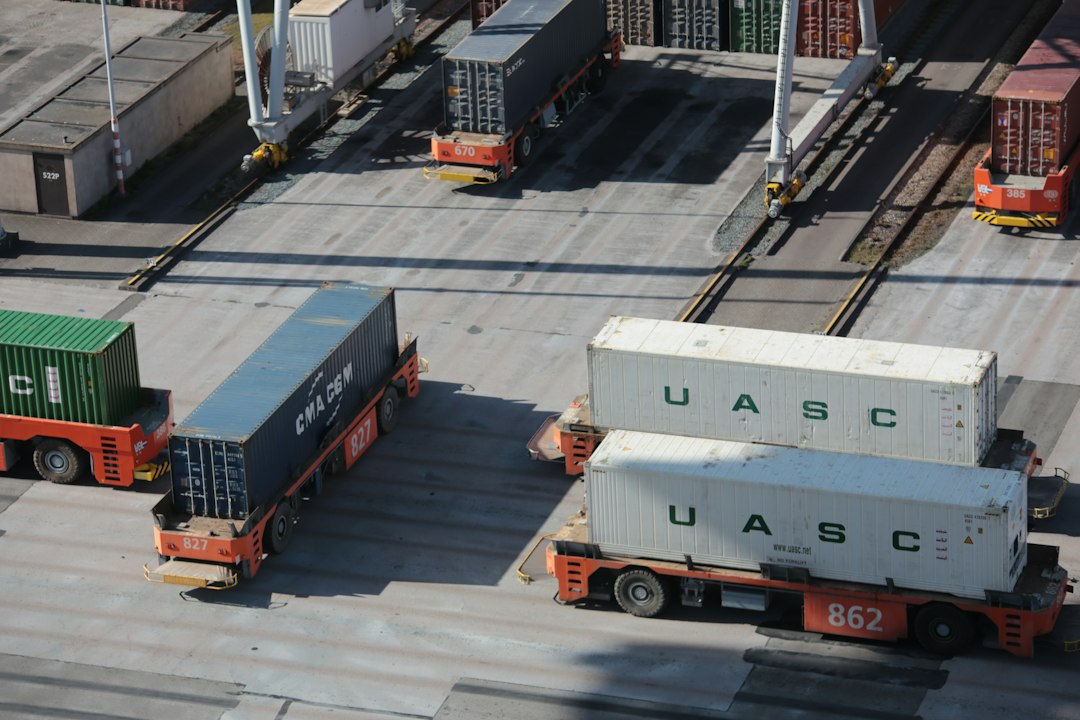
Illustrative photograph by Bernd 📷 Dittrich / Unsplash.
Opinion · 28 September 2026 · 4 min read
The most dangerous conclusion a board could draw from resilient global trade is that its own exposure has become manageable. Aggregate trade can grow while a particular supplier, transport route or market becomes commercially untenable. For companies committing capital across borders, the strategic question is increasingly whether they can change course without sacrificing the business they are trying to protect.
September’s evidence makes that question especially timely. The WTO’s Goods Trade Barometer, released on 9 September, stood at 102.0, above its baseline of 100 and June’s 101.7. Electronic components were particularly strong, supported by demand connected to artificial intelligence. Container shipping, however, was slightly below trend. This was a composite leading indicator, not a completed annual growth result. The same release said the impact of Strait of Hormuz disruptions would be captured more fully when second-quarter trade figures became available. Resilience and incomplete visibility coexist. WTO, 9 September 2026
The boardroom response should be a more demanding definition of efficiency. A cheap operating model that takes eighteen months to reconfigure may be expensive insurance against the wrong future. Equally, duplicating every facility and supplier can consume the returns that resilience is supposed to preserve. The objective should be to purchase specific, usable choices at a price the business can justify.
Trade resilience needs alternatives that work
A second supplier is valuable only if it can deliver when the first cannot. A different country on a procurement spreadsheet offers little protection if both suppliers depend on the same component producer, port or regulatory permission. Boards should require management to identify the common dependencies behind apparently diversified arrangements.
They should then distinguish an available alternative from an operational one. Has the product passed qualification? Is capacity actually reserved? Can the company transfer tooling and specifications? Are the commercial terms agreed? A supplier’s inclusion in a contingency presentation answers none of these questions. A small, regularly exercised order can provide better evidence than an impressive map of possible locations.
This principle extends beyond physical production. UN Trade and Development’s September update reported that digitally deliverable services represented 56% of global services exports and described an increasingly fragmented landscape of digital trade provisions. Its figures concern different reference periods, including services exports in 2025; they are not a real-time September reading. The practical implication is nonetheless clear: a cross-border operating plan must examine the services that keep production and sales working, alongside the goods themselves. UNCTAD, 4 September 2026
For a company, that means asking whether an alternative plant can use the necessary software, exchange permitted operational data and access the required technical support. These are questions for the relevant legal and operating teams, grounded in each jurisdiction. Moving a production address cannot by itself resolve them.
Put a price on the ability to move
Capital allocation should make these choices visible. Management can compare a fully committed expansion with a staged investment, a shorter initial contract or capacity shared with a qualified partner. Each has costs. Each also changes the amount of money that becomes difficult to recover if market access deteriorates.
The comparison should include three quantities: the recurring cost of maintaining the alternative, the time needed to activate it and the cash required during the transition. A contingency that depends on liquidity the company will not have during a disruption deserves little weight. Nor should a board approve open-ended spending under the label of resilience. Every option needs an owner, an activation condition and a review date.
There is also a reason to resist treating fragmentation as inevitable. The WTO’s World Trade Report, issued on 15 September, models materially different outcomes under stronger multilateral cooperation and erosion of common rules. These are scenarios extending to 2050, not predictions of next year’s revenues. They support a distinction that matters commercially: preparing for disruption need not mean abandoning the gains from international trade. WTO, 15 September 2026
Companies should preserve efficient relationships where they work while reducing dependencies that could prevent a timely response. The best moment to qualify another supplier, negotiate transfer rights or retain financial room is while the existing arrangement remains profitable. Waiting for disruption turns those choices into emergency purchases.
That is the opportunity in today’s resilient trade numbers. Boards have a chance to use continued activity to make future decisions less constrained. The next trade advantage will belong to companies that can explain, with evidence, which choices they have preserved and how quickly they can use them.
Opinion and general business analysis, based on sources available on 28 September 2026. This article is not a recommendation on a particular transaction or investment.