
☰
ORVELLAN GROUP
ANALYSIS
Energy & Resources
CLEAR STRATEGY.
SOUND DECISIONS.
PRACTICAL SOLUTIONS.
3 OCTOBER 2026 / Energy & Resources
Energy Savings Need a Baseline Before They Need a Headline
A lower bill does not explain why consumption changed. A credible account of an efficiency project separates the operating baseline, measured change and assumptions.
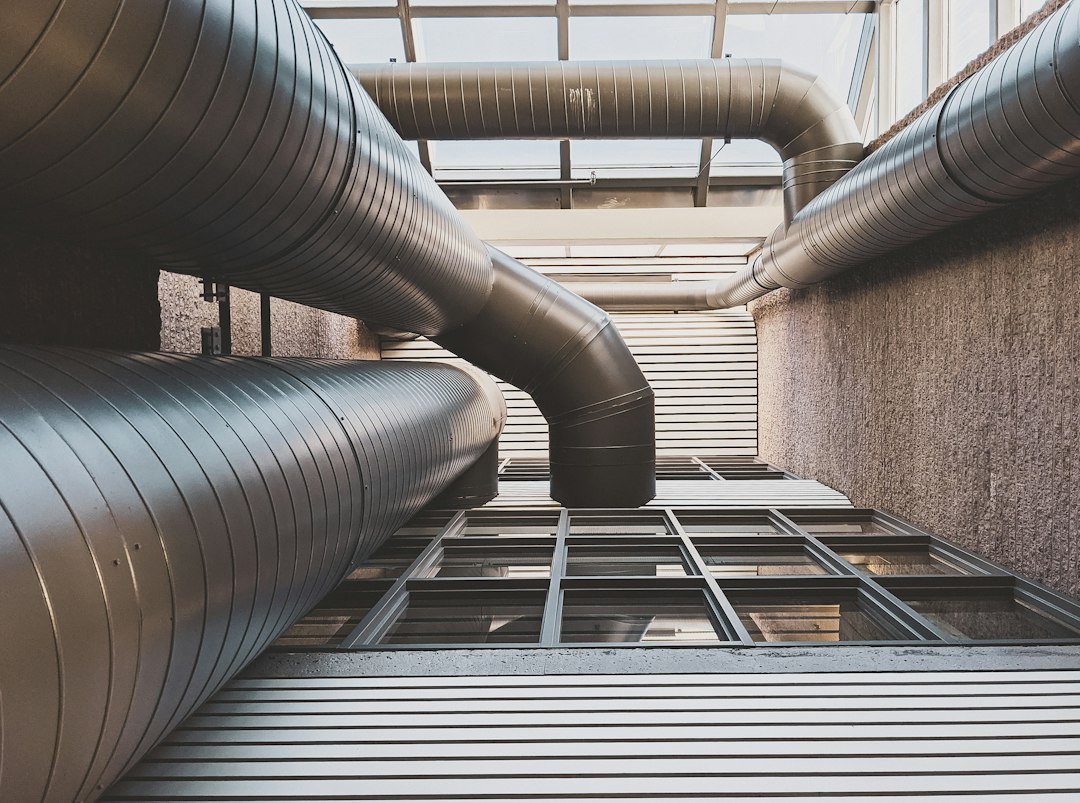
Illustrative photograph by Compagnons / Unsplash. Not an Orvellan project or event.
Analysis · 3 October 2026 · 3 min read
An organisation can use less energy during a reporting period without knowing how much of the reduction came from an efficiency project. Weather, occupancy, production volume and operating hours may all change. Prices can move independently of consumption. An energy savings baseline therefore deserves attention before a performance headline is written. The purpose is to understand what changed, rather than to find the most favourable comparison.
The starting condition cannot always be recreated
The US Department of Energy’s guidance for federal energy savings performance contracts describes baseline definition, a measurement and verification plan, post-installation reporting and continuing verification. It notes that baseline conditions are difficult to recreate after a measure is installed. This is guidance for a specific federal contracting context, not a universal contractual requirement. The IEA’s 2026 toolkit separately places information alongside regulation and incentives in energy efficiency policy. US Department of Energy: Measurement and Verification Activities; IEA Energy Efficiency Policy Toolkit.
For general business analysis, the important distinction is between an observed difference and an explained saving. A meter can record consumption. Establishing what consumption would have been under comparable conditions requires a method and assumptions. Those assumptions may be reasonable, uncertain or unsuitable for a particular operation. Describing them openly is more useful than allowing a simple before-and-after figure to imply precision it does not possess.
A hypothetical comparison with two explanations
Consider a warehouse that installs new lighting and subsequently reports a lower electricity bill. If the site also operated fewer shifts, the bill alone cannot isolate the lighting change. If the electricity price increased, a reduction in consumption could coexist with a higher bill. Neither possibility means the project failed. It means cost, energy use and operating activity answer different questions and should be explained separately.
A more informative account can state the measurement boundary, the period covered and the operating conditions used in the comparison. It can identify which factors were measured and which were estimated. The technical method belongs with appropriately competent specialists; this article does not prescribe a calculation. The governance issue is whether decision-makers can understand the evidence well enough to distinguish the result from its limitations.
Measurement also has a cost
A project with several interacting systems may justify more detailed monitoring than a small, isolated change. Additional meters, analysis and maintenance can improve understanding, but they also require resources. The useful question is what uncertainty matters to the decision. A measurement arrangement that costs more than the information is worth is not automatically better; an inexpensive arrangement that cannot answer the agreed question is not automatically adequate.
- What operation and equipment does the baseline actually cover?
- Which changes in activity or conditions could affect the comparison?
- Are energy use, financial savings and emissions effects explained separately?
- Who owns the assumptions, data quality and review when operating conditions change?
Continuity is important because the operating environment can evolve after installation. A tenant changes, a facility adds equipment or a production process runs differently. An earlier comparison may then require examination rather than repeated reuse. A clear record of why a baseline or assumption changed can prevent a later report from becoming incomparable with the first one.
The takeaway is that an efficiency claim becomes more useful when its boundary and method travel with the headline. A measured result can inform decisions without being presented as certainty about every cause or future period. This is general energy governance analysis, not a technical audit, engineering recommendation, investment forecast or guarantee of savings.
Sources reviewed on 3 October 2026. This analytical perspective reflects the information available at that date. Explore Energy & Resources and all insights.