
☰
ORVELLAN GROUP
OPINIONS
Africa & Strategic Resources
CLEAR STRATEGY.
SOUND DECISIONS.
PRACTICAL SOLUTIONS.
28 SEPTEMBER 2026 / Africa & Strategic Resources
Africa’s Mineral Processing Ambition Needs Customers Before Capacity
Southern Africa’s next industrial gains depend on matching specific processing capabilities with dependable demand, shared infrastructure and measurable local benefits.
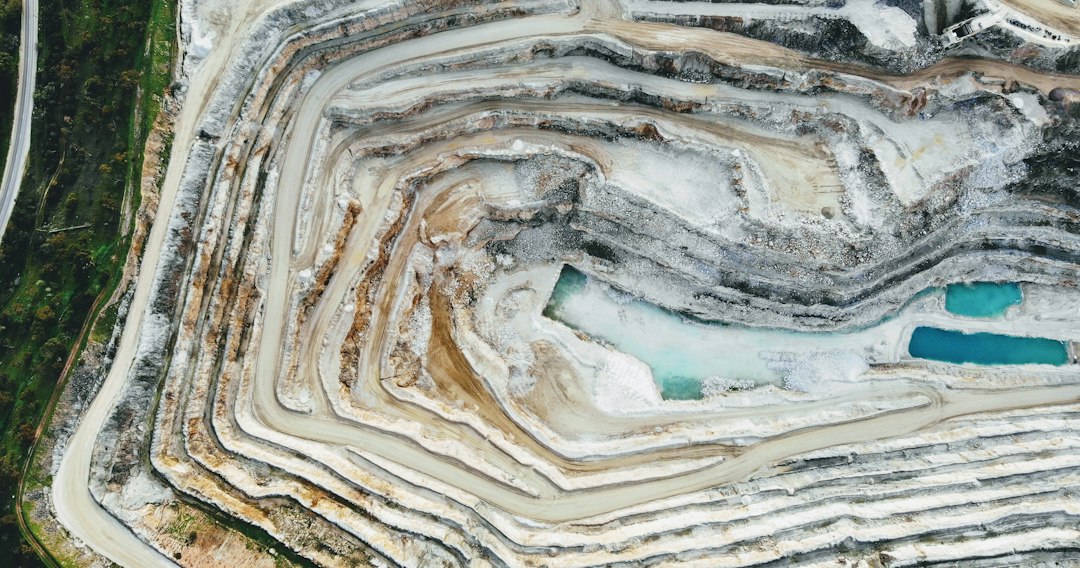
Illustrative photograph by Dion Beetson / Unsplash.
Opinion · 28 September 2026 · 4 min read
The strongest case for processing more minerals in African countries is the opportunity to build durable industrial capabilities: skilled work, competitive suppliers, useful infrastructure and products that customers repeatedly buy. A refinery opening is an important milestone. Whether it can operate competitively, retain customers and strengthen the surrounding economy is the more demanding test. Governments and project sponsors should organise their strategy around that test from the beginning.
The international context makes the question urgent. The IEA’s July 2026 outlook reports that, excluding rare earths, the average share of the leading refining country increased from 70% in 2023 to 72% in 2025. It also identifies an imbalance between announced mining projects and downstream processing and manufacturing capacity outside dominant suppliers. More extraction in additional countries does not automatically create a diversified industrial supply chain. IEA, Global Critical Minerals Outlook 2026.
For Southern Africa, this creates a selective opportunity rather than a mandate to manufacture every possible product. Africa Finance Corporation’s 2026 compendium identifies advancing battery-grade manganese sulphate projects in South Africa and Botswana, alongside Mozambique’s role in a graphite and anode-material supply chain outside China. These are different positions in different markets. Their success depends on the requirements of the next customer in the chain, not a common continental formula. Africa Finance Corporation, 2026 compendium.
Africa mineral processing starts with an accepted product
A processing proposal should begin with the precise material specification, qualification process and realistic purchasing timetable. An expression of interest can help start a conversation, but it should not be presented as secured demand. Equally, an offtake agreement—a commitment to purchase future output—needs scrutiny beyond its headline volume. Conditions, customer credit quality, pricing arrangements and remedies determine how much support it actually provides.
This is where industrial policy and corporate procurement meet. A manufacturer seeking more resilient supply cannot expect a new producer to carry every qualification, construction and price risk while competing immediately against a mature incumbent. Conversely, a public authority should not accept indefinite support simply because a project has strategic language attached to it. Both sides need a transparent account of which risks they are prepared to bear and for how long.
The practical response is staged commitment. Early expenditure can establish product quality, environmental performance and customer acceptance. Later commitments can depend on evidence that feedstock, utilities and transport are available on workable terms. Sponsors should make the conditions for expansion as explicit as the initial production target. This reduces the temptation to confuse a large first phase with a credible industrial strategy.
Make the surrounding economy part of the design
In April 2026, a joint statement by multilateral development banks, published by the African Development Bank, placed processing and manufacturing alongside enabling infrastructure, regional corridors, skilled employment and participation by smaller businesses. It describes a coordinated development approach; it does not announce financing approval for any particular refinery. African Development Bank, joint MDB statement, 17 April 2026.
That approach deserves to become a project-level discipline. Public support should be assessed against additional outcomes: which supplier capabilities will be created, which workers will acquire transferable skills, and which infrastructure can serve other users. A road or water system designed only around one customer may have a different development value from infrastructure with practical access for surrounding businesses and communities.
Regional cooperation can strengthen this logic. Neighbouring countries need not duplicate every processing stage to capture value. They can examine complementary capabilities, while making customs procedures, technical standards and transport arrangements part of the commercial assessment. Such coordination requires concrete agreements and competent institutions; the existence of a regional market should not be mistaken for frictionless movement.
Environmental and community obligations also belong in the core economics. Water use, waste handling, land impacts and rehabilitation cannot be left as costs to resolve after competitiveness has been advertised. A project that meets its production target while transferring lasting costs to local people has failed an essential part of the industrial proposition.
African mineral producers have good reason to seek a larger role in processing. The most credible route is to choose specific opportunities, secure usable demand, build capabilities in stages and make public benefits visible. The measure of progress should be an industry that can keep delivering value after the opening ceremony.
Sources reviewed on 28 September 2026. This opinion reflects the evidence available at that date.