
☰
ORVELLAN GROUP
OPINIONS
International Relations
CLEAR STRATEGY.
SOUND DECISIONS.
PRACTICAL SOLUTIONS.
28 SEPTEMBER 2026 / International Relations
Dubai and Greece Need a Commercial Corridor That Delivers
The relationship has institutions, business links and a fresh trade agenda. Its next advance should be measured in repeat orders and executable projects.
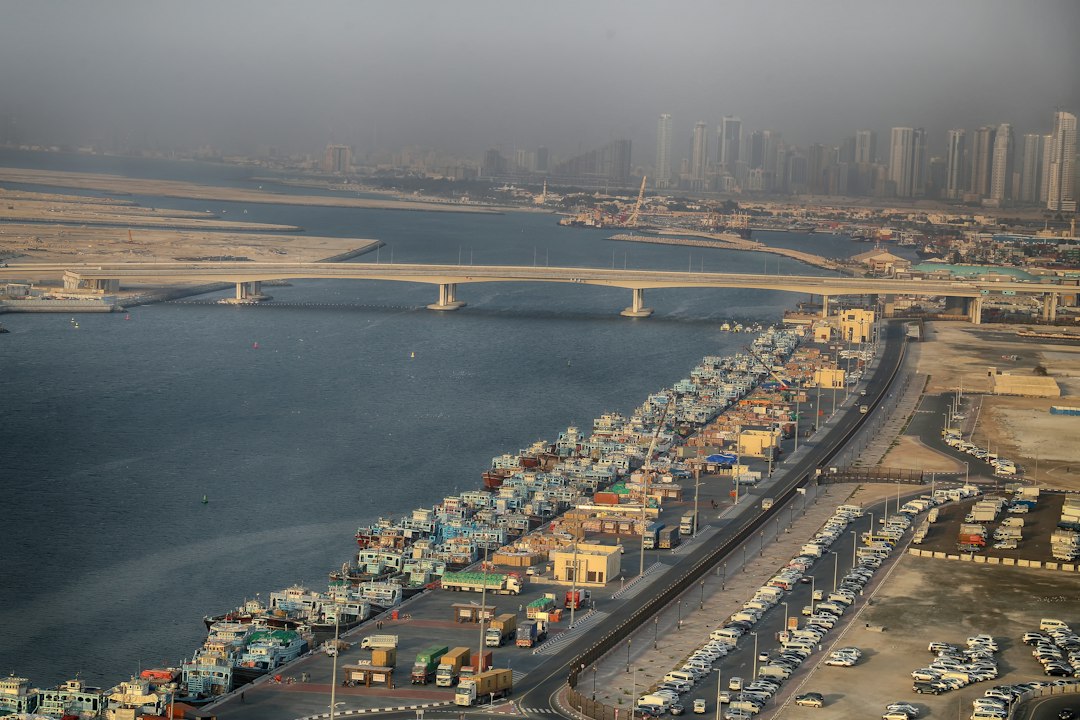
Illustrative photograph by Iwona Castiello d’Antonio / Unsplash.
Opinion · 28 September 2026 · 4 min read
Dubai and Greece have enough reasons to meet. The more consequential question is what their companies should be able to do together after the delegations leave. A relationship described through gateways, investment potential and shared ambitions needs a commercial test: does it make an identifiable transaction easier to complete, finance and repeat?
That test is timely. Enterprise Greece lists The Hotel Show and INDEX in Dubai for 28–30 September 2026, covering hospitality equipment, interiors and related products. A scheduled exhibition is an opportunity to meet buyers, not evidence that orders have been secured. For participating businesses, the valuable outcome would be a clearer route from an attractive product to an accepted specification, a delivery obligation and a paying customer. Enterprise Greece, 2026 event listing
The institutional foundation is substantial enough to warrant ambition. In its account of a January trade mission, Dubai Chambers reported non-oil trade with Greece of AED 2 billion in 2024 and 419 Greek companies registered as active Dubai Chamber of Commerce members at the end of 2025. During the visit it signed a memorandum with the Athens Chamber of Commerce and Industry to strengthen commercial cooperation. These are dated trade and membership figures, and a chamber agreement; they do not establish the value of business won in 2026. Dubai Chambers, 23 January 2026
A Dubai–Greece corridor starts with a transaction
The strongest next step would be to organise cooperation around specific commercial problems. A Greek supplier entering a Dubai hospitality project needs to understand who specifies the product, who purchases it and who accepts delivery. Those may be different organisations. An introduction to a senior executive will achieve little if the supplier cannot meet the buyer’s technical requirements or support the product locally.
A useful partnership would close those gaps. It might combine manufacturing with installation, design with maintenance, or a specialist service with an established distribution operation. The parties should be able to name the customer problem, explain their respective responsibilities and show why the combined offer is more credible than either could deliver alone.
The same discipline should apply to investment moving in the other direction. A presentation about Greek potential must become a project with clear ownership, an operating model, a timetable and an account of the approvals still required. A prospective investor needs to distinguish what is secured from what depends on later decisions. Political goodwill can facilitate access; it cannot substitute for that distinction.
Keep Dubai and the UAE distinct
Precision about institutions matters. Dubai is an emirate within the United Arab Emirates. Greece’s state-to-state diplomatic relationship is with the UAE, while the January chamber initiative concerns Dubai and Athens. Greece’s foreign ministry lists its embassy in Abu Dhabi and a separate economic and commercial affairs office in Dubai. These relationships complement each other, but they are not interchangeable authorities or guarantees. Hellenic Ministry of Foreign Affairs, bilateral relations overview
Businesses should apply that precision to their own counterparties. Which entity is signing? What activities can it perform? Who holds the budget? Which market does the agreement actually cover? A Dubai address does not automatically establish distribution across the Gulf, just as a Greek address does not demonstrate the capacity to serve every European customer.
Boards considering expansion should therefore approve a bounded commercial programme before a broad regional commitment. Choose a customer segment, identify the decision-makers, establish the support required and agree a realistic measure of progress. Give management enough time to build relationships, but require evidence that those relationships are advancing the transaction.
For chambers and public agencies, success measures should extend beyond attendance. Track qualified introductions that produce technical discussions, proposals that survive due diligence and contracts that lead to repeat business. Failed negotiations can also reveal useful information about financing, standards or delivery obstacles that institutions can help resolve.
Dubai–Greece relations will become commercially deeper when companies can rely on that practical infrastructure. Another ambitious declaration may attract attention. A repeatable process that turns a first meeting into a well-executed second order would create more durable value.
Sources reviewed on 28 September 2026. This opinion reflects the evidence available at that date.